


US Moves to Sanction Kwankwaso Over Christian Persecution
Proposed 2026 Religious Freedom Bill seeks visa bans, asset freezes, and possible terrorist designation of Fulani militias.

US Introduces Bill Targeting Religious Violence in Nigeria
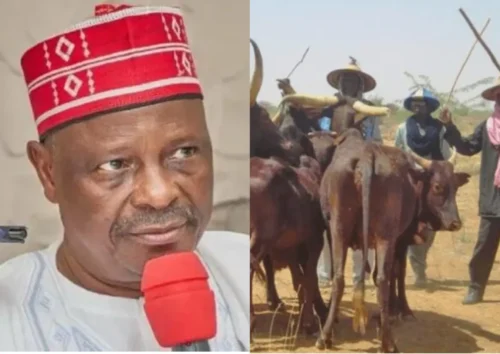
The issue of Christian persecution in Nigeria has taken a new diplomatic turn as Five United States lawmakers move to impose visa bans and freeze assets linked to former Kano State Governor Rabiu Kwankwaso and Miyetti Allah Cattle Breeders Association, and other Fulani entities.
Lawmakers say the move responds to escalating Christian persecution in Nigeria.
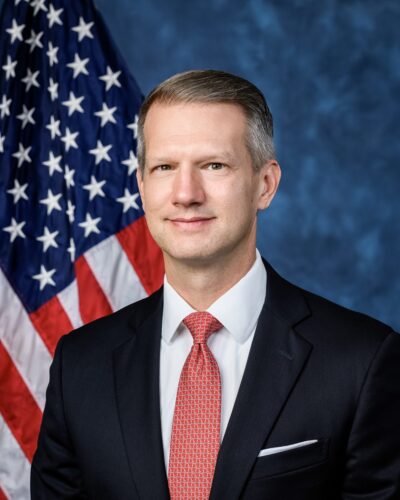
The proposed legislation, titled the Nigeria Religious Freedom and Accountability Act of 2026, was sponsored by Representatives Chris Smith, Riley Moore, Brian Mast, Mario Diaz-Balart, and Bill Huizenga.
If passed, the bill would require the US Secretary of State to submit regular reports to Congress on Nigeria’s compliance with international religious freedom standards.
Lawmakers Cite Killings, Church Destruction
Sponsors of the bill referenced estimates showing that between 50,000 and 125,000 Christians were killed from 2009 to 2025. They also cited reports that more than 19,000 churches were destroyed during the same period.
In addition, they highlighted the Christmas Eve massacres of 2023 and 2024, as well as Holy Week and Easter attacks in 2024 and 2025. Lawmakers said these attacks left over 9,500 people dead and displaced more than 500,000 others.
According to Open Doors’ 2026 Watch List, Nigeria accounts for 72% of Christians killed worldwide.
Furthermore, lawmakers referenced cases such as Deborah Yakubu and Rhoda Jatau, who faced mob violence, imprisonment, or death over alleged blasphemy. They argued that authorities rarely prosecute perpetrators.
Proposed Sanctions and Terror Designation
The bill recommends targeted sanctions under the Global Magnitsky Human Rights Accountability Act.
Those listed for consideration include:
-
Rabiu Musa Kwankwaso
-
Miyetti Allah Cattle Breeders Association of Nigeria (MACBAN)
-
Miyetti Allah Kautal Hore
-
Groups described as Fulani ethnic nomad militias
Additionally, the Secretary of State would determine whether certain Fulani militias qualify for designation as Foreign Terrorist Organizations.
Lawmakers also urged the Departments of State and Treasury to impose visa bans and asset freezes on individuals or groups responsible for severe religious freedom violations.
Trump Administration Redesignates Nigeria
The legislative push follows President Donald Trump’s decision to redesignate Nigeria as a “Country of Particular Concern” (CPC) over religious freedom violations.
US lawmakers praised the redesignation. They argued that Nigeria has failed to adequately prevent or punish religiously motivated violence.
Moreover, Washington recently deployed about 200 US troops to Nigeria. The troops are expected to support counterterrorism training and operations.
What the Bill Requires
If enacted, the Act would mandate annual reports covering:
-
Nigeria’s compliance with the International Religious Freedom Act
-
Efforts to prosecute offenders
-
Enforcement or repeal of blasphemy laws
-
Conditions of internally displaced persons (IDPs)
-
US security assistance and safeguards against abuse
The bill also calls for humanitarian assistance in Nigeria’s Middle Belt. It recommends that aid be co-funded by the Nigerian government and delivered through trusted civil society and faith-based organizations.
Furthermore, the US would collaborate with partners such as France, Hungary, and the United Kingdom to promote peace and religious freedom.
Political Pushback in Nigeria
However, political reactions in Nigeria have been mixed.
The All Progressives Congress (APC) and the New Nigeria Peoples Party (NNPP) rejected the recommendations targeting Kwankwaso and Miyetti Allah.
APC Director of Publicity Bala Ibrahim cautioned against imposing sanctions based on allegations.
“Whatever the allegation is, it remains an allegation until proven,” he said.
Party officials warned that sanctions without judicial findings could strain diplomatic ties between Abuja and Washington.
Nigerians React to Proposed Sanctions
Public opinion remains divided.
Some Nigerians welcomed the bill, arguing that the international community must address persistent attacks on Christian communities.
Others criticized what they described as a selective focus on religion.
Alex Kabari said broader governance failures should receive attention. Similarly, A.A. Gada stressed that religious freedom protections must apply to all Nigerians, including Muslim communities affected by violence.
Meanwhile, Amaka Ike said the bill would matter only if it leads to concrete action and inclusive security reforms.
Diplomatic Implications
International relations experts believe the bill reflects Washington’s strategy of applying targeted sanctions to influence political behavior without direct confrontation.
As Congress debates the Nigeria Religious Freedom and Accountability Act of 2026, tensions continue to rise. The outcome could reshape US–Nigeria relations and redefine how both countries address religious violence.
For now, the question remains whether the bill will translate into actual sanctions or serve as diplomatic pressure for reform.
